

warehouse insider
Logistics and 3PL executives today face a pressing challenge: optimizing space utilization in warehouse operations amid growing demand and complexity. Modern warehouses handle more SKUs, higher order volumes, and tighter service expectations than ever. As a result, every square foot counts – yet many facilities struggle with underutilized areas or, conversely, congested aisles when storage nears capacity. Traditional methods often fall short in addressing these issues. This is where computer vision in warehouse management comes in – essentially giving warehouses “eyes” through AI-powered cameras to gain unprecedented visibility into operations and unlock efficiencies.
Effective space utilization in warehouse settings is harder to achieve than it sounds. On one hand, leaving too much empty space means paying for storage that isn’t productive. On the other, filling a warehouse to the brim creates a cramped environment that slows workflows and raises safety risks. Industry guidelines suggest keeping warehouse storage use in a moderate range – around 22% to 27% of a facility’s cubic capacity is considered ideal. Exceeding that can lead to congested aisles and higher labor costs as workers maneuver in tight spaces, while operating far below capacity signals wasted space and resources.
Many operations today walk this tightrope. One analysis found that warehouses utilize about 85% of their space on average, well above the optimal range. Rapid e-commerce growth and SKU proliferation have only intensified space constraints in recent years. The consequences of poor space utilization in warehouse settings are significant. Wasted space is essentially wasted money. Conversely, an overfilled warehouse can erode productivity and accuracy: workers take longer to find items and have little room to stage orders. In extreme cases, overflowing inventory forces companies to rent off-site storage or delay incoming stock. Finding the right balance of space utilization in warehouse operations is a strategic necessity.

To tackle these challenges, many warehouses are turning to advanced technologies. Computer vision in warehouse management has emerged as a promising solution. In simple terms, computer vision uses AI-powered cameras and software to let machines “see” what’s happening in the warehouse. Mounted on ceilings, shelves, drones, or forklifts, these smart cameras continuously capture visual data about inventory and activities. Algorithms then analyze this data in real time – recognizing products, counting stock, tracking movements, and even assessing how space is being used.
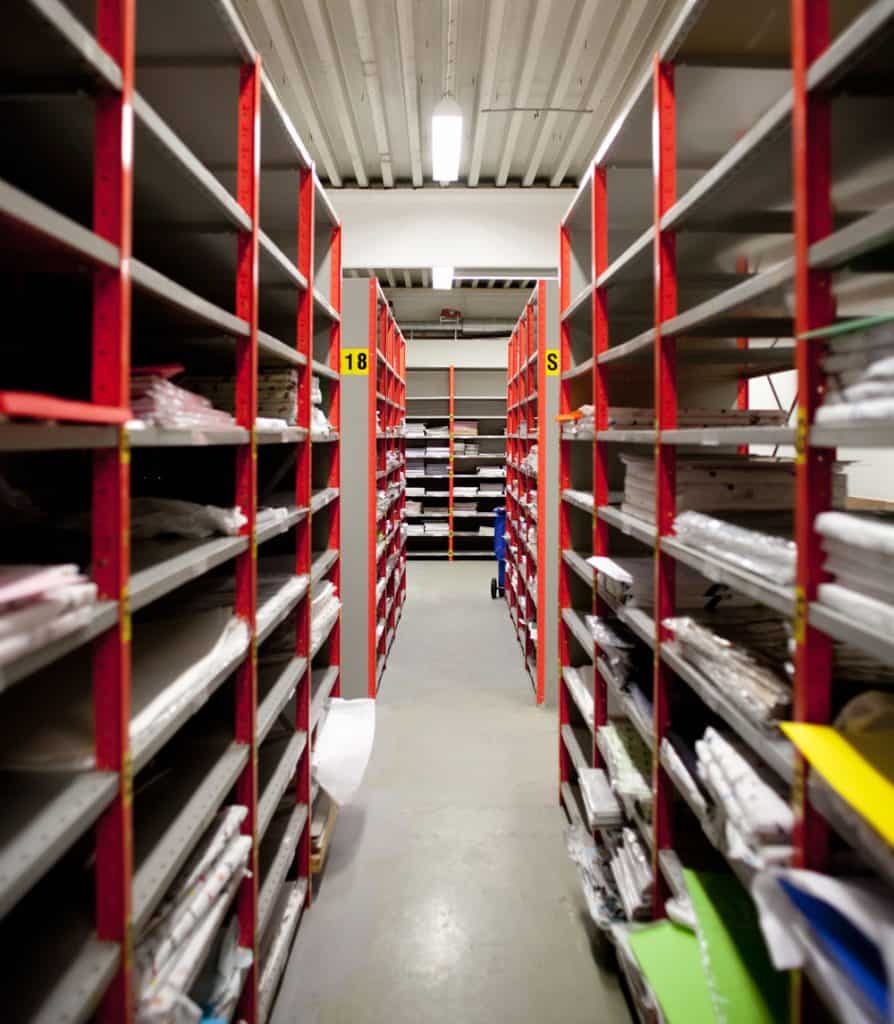
This technology is revolutionizing warehouse operations by automating tasks that once relied on clipboards and barcode scanners. Instead of staff doing manual cycle counts or hunting for open pallet spots, a network of vision-equipped devices can monitor these factors automatically. The system might detect that a pallet location is empty or half-full and then alert managers to consolidate stock or update the inventory system. Essentially, using computer vision in warehouse management gives you a live, accurate view of inventory and space usage without walking the floor. Computer vision can automatically track pallet locations and ensure optimal space utilization for efficient operations.
Early adopters have already shown the value of this approach. Amazon’s automated fulfillment centers, for example, use computer vision-guided robots to achieve storage densities and speeds impossible with purely manual methods. But you don’t need to be Amazon to benefit. Thanks to affordable technology, even mid-sized warehouses can layer computer vision onto existing systems. Visual insights feed into your Warehouse Management System or dashboards – updating stock counts, flagging discrepancies, and suggesting better slotting. The result is a “smart” warehouse where every pallet is accounted for and optimally placed.
Adopting computer vision in warehouse management isn’t about tech for tech’s sake – it brings concrete benefits:

These benefits aren’t just theory – real AI tools are making them a reality. For example, solution providers like Vimaan offer systems that automatically scan and track warehouse inventory using computer vision. Such tools validate pallets coming in and going out, monitor every storage location, and sync with the WMS in real time – essentially performing continuous cycle counts with minimal human labor. Other innovators use drones or autonomous robots with vision to audit stock levels and spot empty space from above. Early adopters in the 3PL and distribution world report significant efficiency gains and higher inventory accuracy thanks to these technologies, all achieved with a light touch on existing operations.
Implementing computer vision also tends to be straightforward. These solutions layer onto current workflows and feed data into your existing software. Often, the investment pays for itself by enabling more throughput in the same footprint and reducing errors that lead to costly fixes.
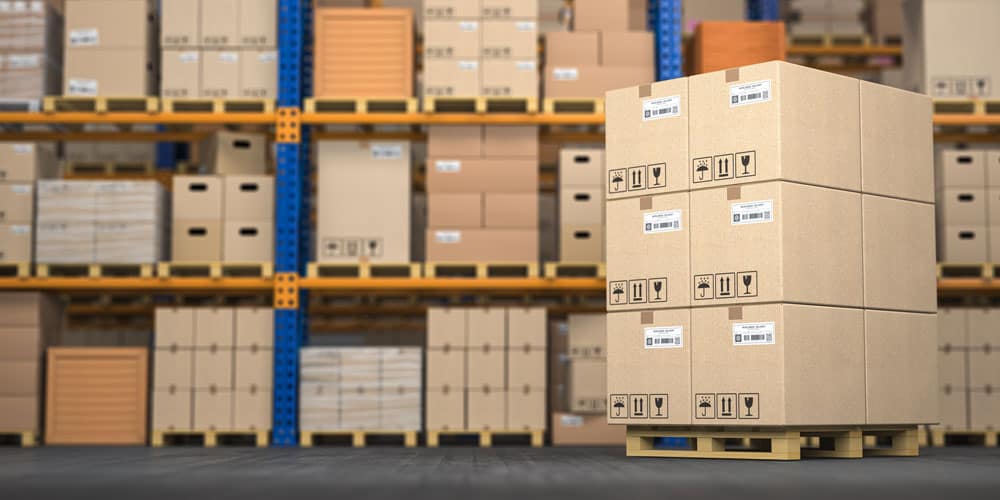
Optimizing space utilization in warehouse operations is more critical than ever, and computer vision offers a timely way forward. By enhancing visibility, reducing waste, and enabling data-driven management, this approach turns the warehouse into a smarter, more agile part of the supply chain. Early adopters are already seeing improvements – from lower labor costs to fewer space bottlenecks – by integrating computer vision in warehouse management. Embracing such innovation can transform a traditionally static warehouse into a dynamic, competitive asset.
For decision-makers, the next step is to explore these tools firsthand – perhaps via a pilot project or demo to see the potential gains in your operation. Ready to learn more? Consider reaching out for a discussion or demo of how computer vision can help optimize your warehouse. Taking proactive steps now will position your organization for greater efficiency and success in the logistics landscape.